Electrofusion training is most useful when participants arrive ready to connect the classroom principles with a repeatable site process. A small amount of preparation helps learners focus on joint quality and practical technique.
Confirm the course and entry requirements
Check the course dates, location, duration and any previous-experience requirements. Make sure the booked course matches the work the learner is expected to perform.
Provide accurate participant details early where certification records are required.
- Course level and joining process
- Required prior experience
- Photo identification or registration details
- PPE and clothing for practical work
Refresh the basic jointing sequence
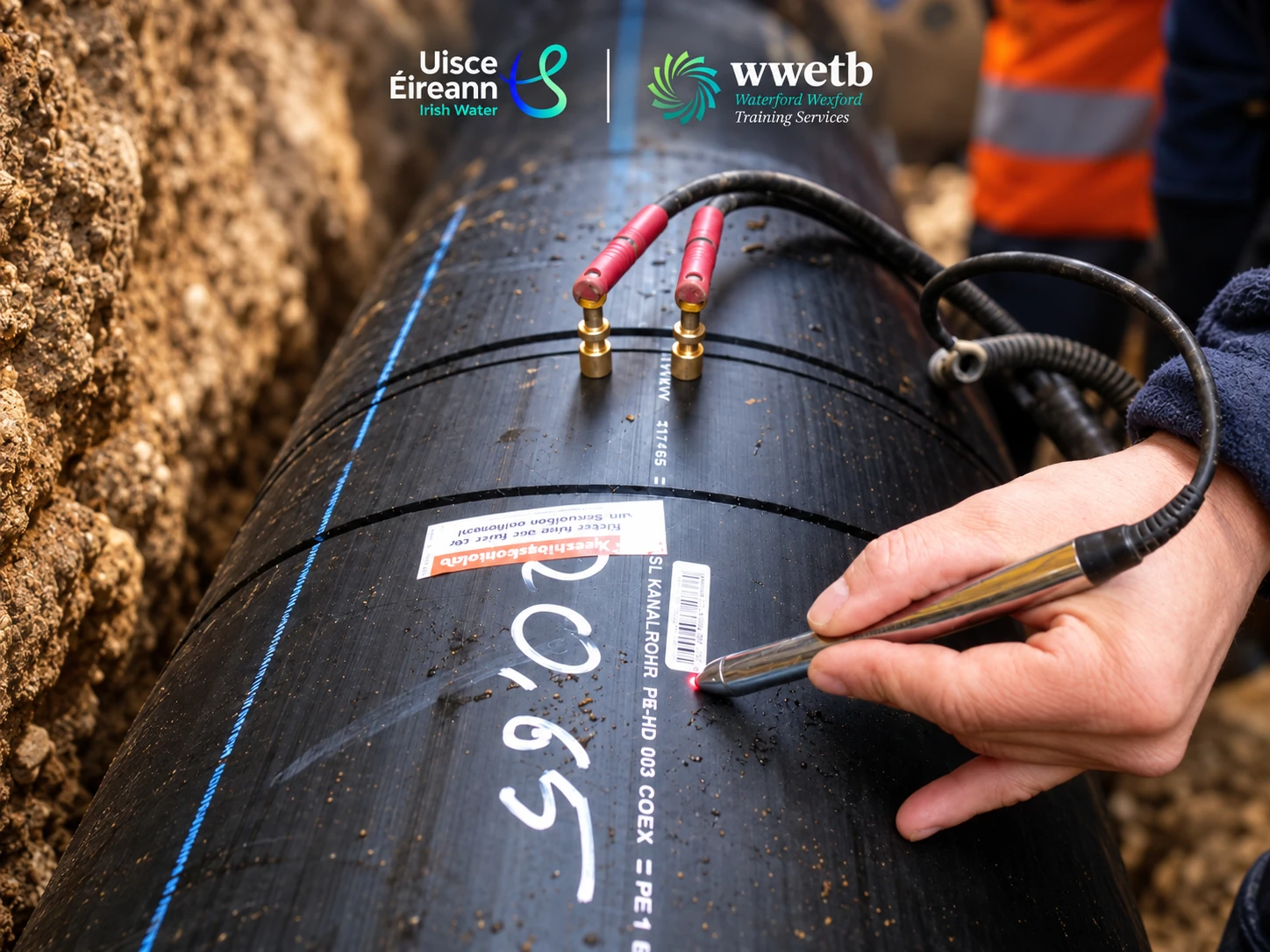
Participants benefit from reviewing pipe identification, fitting storage and the purpose of scraping, cleaning, alignment and cooling.
The course will develop the procedure in detail; the aim beforehand is simply to arrive familiar with the language and sequence.
- Pipe and fitting inspection
- Marking and controlled scraping
- Cleaning and avoiding recontamination
- Clamping, welding and cooling
Bring questions from real site work
Examples from current projects help connect training with the situations learners will meet after the course. Note recurring problems or points of uncertainty without bringing contaminated equipment into the training area.
Ask how the approved procedure should respond to weather, access, ovality and interrupted work.
- Typical pipe and fitting sizes
- Access or weather challenges
- Weld records and traceability
- Inspection and handover expectations